What is a Japanese auction sheet?
A Japanese auction sheet is an inspection summary prepared for a vehicle sold through auction. It normally shows vehicle specifications, mileage, overall grade, interior grade, exterior condition diagram, damage marks, inspector comments and important warnings.
The sheet is not only a “grade number.” A clean-looking car can still have important notes such as repaired history, corrosion, flood/water indication, engine noise, dashboard warning lights or odometer concerns. The full sheet must be checked together with photos, mileage history and current physical inspection.
Overall GradeInterior GradeExterior DiagramDamage CodesInspector NotesMileage
Sample auction sheet from our report
Below are sample auction sheet pages taken from our own sample report. Use them to understand how auction sheets, photos and condition notes appear inside a full report.
Important: Do not judge a vehicle only from one photo or only from the overall grade. Always review sheet comments, damage diagram, auction photos, mileage records and report notes.
Overall auction grade meaning
The overall grade is the auction inspector’s quick summary of the vehicle condition. Exact meaning can vary by auction house, but the guide below is commonly used by buyers and exporters.
| Grade | General meaning | Buyer attention |
|---|
| S | Almost new / extremely low mileage / very high condition. | Still check photos, registration date and exact mileage. |
| 6 | Very high grade, often close to new condition. | Usually expensive; confirm no hidden remarks. |
| 5 | Excellent used-car condition with minor wear. | Generally attractive, but inspect scratches, dents and options. |
| 4.5 | Very good used-car condition, light wear possible. | Strong grade for many export buyers; still check diagram and notes. |
| 4 | Good normal used-car condition, some scratches/dents or wear. | Common practical buying grade if price is right. |
| 3.5 | Average used condition, visible wear, repairs or multiple marks possible. | Need careful photo and sheet review. |
| 3 | Rougher condition, many marks or repair/maintenance needs possible. | Buy only after understanding repair cost and export rules. |
| 2 | Poor condition or heavy wear/corrosion/mechanical concerns. | High risk; suitable only for experienced buyers. |
| 1 | Special concern category. May include flood, modification, severe condition or other issue depending on auction house. | Treat as high risk until the exact note is understood. |
| R / RA | Repaired vehicle / accident-repair history, frame or structural repair may be involved. | Must check repair location and quality very carefully. |
| 0 / *** / No grade | Unrated, special case, non-running, accident, modified, or auction-house-specific category. | Requires full sheet, photos and manual review. |
Interior grade meaning
Interior grade describes cabin condition such as seats, dashboard, trims, smell, stains, cigarette burns, pet hair, dirt, wear and missing parts.
| Interior grade | Meaning | Common checks |
|---|
| A | Very clean interior. | Minor wear only; still inspect seat photos. |
| B | Good interior with normal light wear. | Common acceptable grade. |
| C | Average interior, visible stains, wear or marks. | Check seats, steering, roof lining and smell notes. |
| D | Dirty or damaged interior, stronger wear or repair needs. | May need cleaning, replacement parts or detailing. |
| E | Very poor interior condition. | High cleaning/repair cost possible. |
Common exterior damage codes
Auction sheets usually mark damage on a vehicle diagram using letters and numbers. The letter shows the damage type and the number usually shows severity.
AScratch. A1 small, A2 medium, A3 large.
UDent. U1 small, U2 medium, U3 large.
BDent with scratch or dented scratch.
WRepair wave / panel repair mark / paint wave.
SRust. Check especially underbody and wheel arches.
CCorrosion. More serious than normal rust.
PPaint fade or discoloration.
XPanel needs replacement or has serious damage.
XXPanel already replaced.
GGlass chip/crack depending on auction notation.
YCrack/tear/hole, often used for bumpers or interior depending on sheet.
ESmall dent/dimple, often minor mark.
Severity numbers: 1 usually means small/light, 2 medium, 3 large/heavier. Some auction houses use slightly different notation, so inspector comments must also be read.
Important Japanese warning terms
These terms are very important because they can change the real value and risk of a car even when exterior photos look good.
| Term / note | Meaning | Why it matters |
|---|
| 修復歴 / R / RA | Repair history / repaired vehicle. | May involve structural repair. Check location and quality. |
| 冠水 / 水害 / Flood / Water damage | Flood or water damage indication. | Can affect wiring, sensors, ECU, interior, rust and long-term reliability. |
| メーター交換 | Odometer replaced. | Mileage must be verified carefully. |
| 走行不明 | Mileage unknown. | High risk for value and resale. |
| 改造車 | Modified vehicle. | May affect export, inspection, insurance or reliability. |
| エンジン異音 | Engine abnormal noise. | Mechanical risk; inspection recommended. |
| ミッション不良 | Transmission problem. | Repair cost can be high. |
| チェックランプ点灯 | Warning light on. | Needs diagnosis before purchase. |
| 下回りサビ / 腐食 | Underbody rust / corrosion. | Important for snowy areas, export inspection and long-term safety. |
| 車検証記載 | Noted on registration/inspection document. | Can relate to mileage, status or official records. |
How to read an auction sheet before buying
- Confirm chassis number, make, model and year match the seller’s vehicle.
- Check overall grade and interior grade, but do not stop there.
- Read inspector comments for flood, repair, engine, transmission, rust, warning light or odometer notes.
- Study the vehicle diagram for A, U, W, X, XX, S and C marks.
- Compare mileage records by date to see whether the mileage trend is normal.
- Compare auction photos with the seller’s current photos.
- Check export suitability for your destination country and final customer requirements.
Important limitation
Auction sheet information is a strong reference, but it is not a complete mechanical guarantee. Some defects may not appear on the sheet, some source data can be unavailable, and vehicle condition can change after the auction. Always use auction sheet data together with current photos, video, inspection, export documents and payment safety checks.

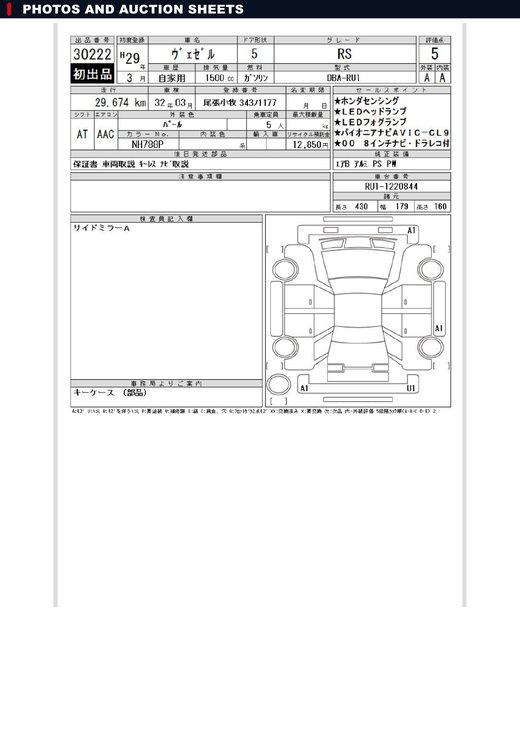 Sample Auction Sheet 1
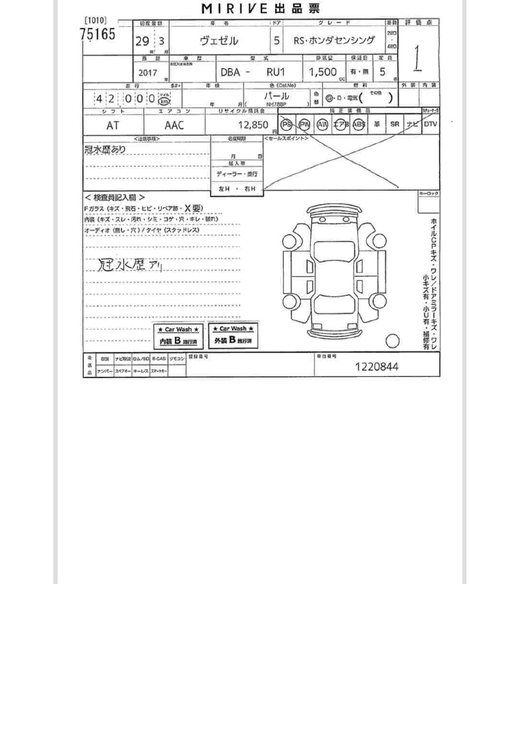 Sample Auction Sheet 2